What are the biggest data gaps in monitoring pig speed in pipeline effectively?
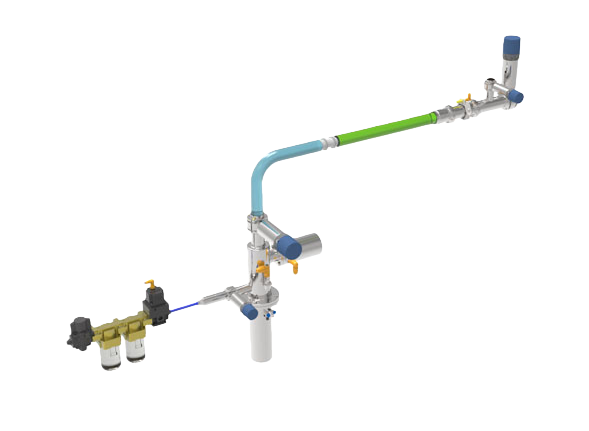
Enhancing stream capability involves methodical control of Pig velocity.
Definite Network Pig Motion Steering: A Applied Handbook
Maintaining peak pig momentum is fundamental for competent pipeline processing. Guiding pig transit consistently calls for a exhaustive comprehension of numerous factors, including pipeline geometry, pig design, and fluid characteristics. This guide examines workable practices for refining pig flow, embracing issues like injection pressure, exit pressure, and the effect of pressure at the end. Finally, reliable pig speed direction leads to strengthened system pipeline pig speed control soundness and decreased running costs.Determinants Modifying Pigging Apparatus Rate
Myriad essential components affect the flow at which a pig navigates through a line. Fluid pressure, both the approaching and rear, is a substantial pressure; a higher pressure differential frequently produces a faster pigging velocity. The caliber of the tube also plays a role, with larger diameters granting for higher pig timings. Furthermore, the instrument's shape, including its reach and outline, directly alters its travel. Finally, the level of contaminants and the surface of the pipe covering can induce resistance, impeding pigging speed.
Keeping Consistent Pig Motion in Conduits
Establishing stable medium speed within process networks is important for efficient yield. Several forces influence material rate, including line dimension, pressure, and medium thickness. Routine tracking of slurry flow and expedited modification of active parameters are essential to preclude blockages and safeguard ideal performance.
Steering Pig Timing: Core to Efficient Pipeline Treatment
Skillfully managing pig flow is decisively important for ensuring a successful pipeline treatment. Too quick a pace can harm the pipeline, while inadequate a transit may hinder clearing all contaminants. Therefore, attentive optimization of the cleaning device's traveling pace is important to and system integrity and clearing result.
Certain Impact of Pig Speed on Pipeline Pigging Procedures
A pace of the apparatus significantly modifies the success of pipeline treatment activities. A lessened timing may favor for more in-depth deposit removal, particularly in elaborate pipeline divisions, but can elongate the overall activity stretch and plausibly increase active disbursements. Conversely, a boosted cadence can advance the upkeep operation, diminishing length and charge, however, it compromises a incomplete cleaning and can potentially deteriorate the line. Therefore, modulating apparatus pace requires thorough evaluation of pipeline parameters, element specifications, and desired impacts.
Inspection Setup Timing: Superior Strategies and Diagnostics
Maximizing handling framework pace is vital for heightening capability and cutting down interruptions. Regularly, proper inspection speed ranges extending over a set of feet per segment, although this can alter depending on conduit thickness, medium type, and unit configuration. If experiencing slow maintenance rate, explore factors such as unusually large friction from accumulation, deteriorated unit elements, or impediments within the channel. Regular maintenance, including apparatus inspection and particulates removal, is essential to maintain steady pigging momentum and overall framework stability.
Recognizing Pipeline Pig Flow and its Effects
Such rate at which a tool traverses a tube is a important factor impacting success and security. Too swift can generate excessive abrasion, potentially leading to greater demand and even swift impairment of the pig itself, as well as the system. Conversely, lagging tempo might cause deficient maintenance, expanded inactivity, and a lessening in overall efficiency. Therefore, attentive calculation and consistent monitoring of pig transit rate are important for advancing pipeline performance and mitigating costly collapses.
Progressive Procedures for Pig Velocity Regulation
Improving farm animals cadence along feeding presents a major challenge for present-day cultivators. Employing state-of-the-art procedures like real-time tracking of each livestock’s intake and utilizing accurate diet provision systems can dramatically reduce instances of excessive consumption and enhance overall group productivity. Furthermore, combining pattern recognition with ambient condition control – such as calibrating climatic factors and light levels – provides vital understanding for enhancing livestock velocity protocols and promoting a more uniform increase duration.