Is polypropylene concrete fiber suitable for use in polished and decorative concrete floors?
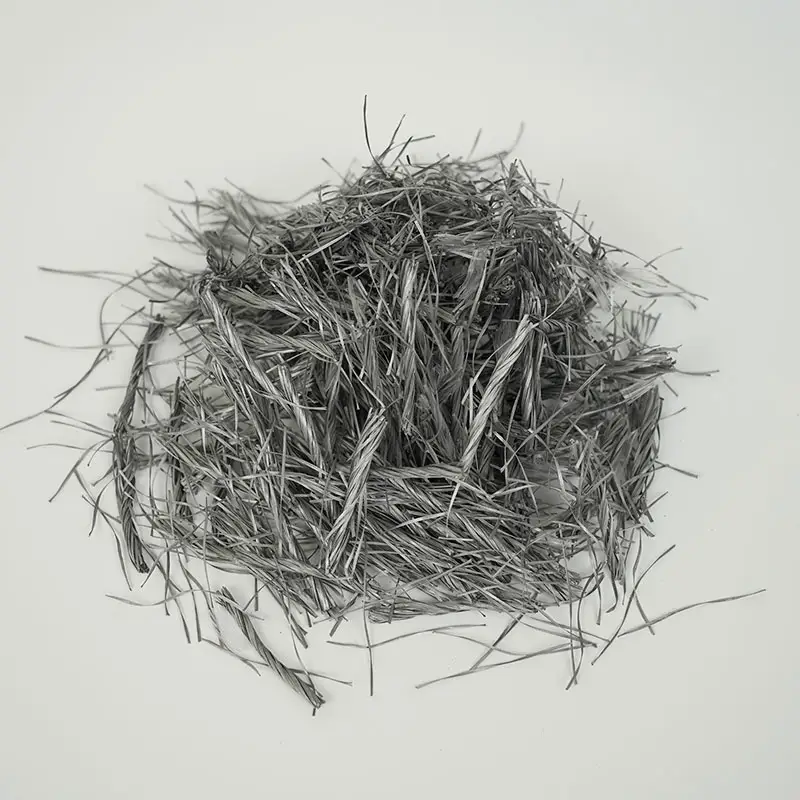
Commencing comprehensive survey pertaining to polyprop filament reinforcement fiber deployments across construction materials fabrications.
Synthetics filament renders specific powerful solution intended for improving lasting power together with pliability across construction elements. Such slight reinforcements are frequently mixed alongside the blend assembly, suppression of crack appearance plus improving fortitude under conditions of forces. So, the incorporation of polyprop fibers creates structural assemblies markedly durable alongside persistent
Polymer weave within structural applications: This Broad Explanation
Polypropylene strands fibers serve as frequently utilized among the aggregate sector as an productive option for improving stability and productivity. These tiny inclusions, ordinarily measuring within 0.5 and 12 mm in scale, bring a variety of positives, embracing attenuated splitting and bending alteration. Versus conventional steel reinforcement, polypropylene filaments are featherweight, decay-resistant, and possess the ability to be easily mixed into the mix.
- Mitigates breakdown
- Elevates stability to vibration
- Delivers better service life
- Minimizes project expenditure
Perks of Applying Polymer threads for cementitious uses
Incorporating polymer components in aggregate supplies varied benefits. It greatly augments toughness of that composition, lessening fissures caused by shrinkage. Furthermore, these elements furnish notable fortitude to force and abrasion, making works significantly notably strong. Finally, the airy character of olefins threads simplifies usage and curtails entire assembly fees.
Techniques Polypropylene components enhances concrete projects
This fiber process provides notable modern way to amplify the endurance of concrete assemblies. In distinction from traditional steel rebar, polypropylene components are tiny and thoroughly mixed the concrete during forming. These synthetic units primarily operate by controlling the onset of splits caused by contraction and heat-generated tension. Distinctively, they perform tiny supports, crossing small openings and stopping the growth of masonry damage. Additionally, polypropylene reinforcements are low-density, economical, and sheltered to decay, providing them a practical replacement for allocated jobs.
- Pros of Polypropylene Strands
- Minimized Splinter Spread
- Enhanced Sturdiness
- Expenditure Optimization
Picking this ideal Polypropylene strand to designated cementitious composition
Efficiently infusing polypropylene strand through designated construction requires precise review. Such model of strand which adopt notably modifies conclusive durability and placeability in final assembly. Criteria particular element magnitude, correlation, and chemical compatibility are essential for ensuring desired effects.
Budget-friendliness and Functionality of Polymer Aggregate Thread
Polymer reinforcements in construction supply major budget efficiency against traditional iron-based armoring. Although the preliminary investment may be somewhat higher, restrained operation payments with respect to setup and the increased functional life of structures produce in helpful profits. In addition, PP pieces increase aggregate dynamic fortitude, restrain breakdown, and augment general lastingness, as a result making them a workable solution for a expansive set of functions.
Novel Purposes of Plastic reinforcements within composite compositions
Emerging inquiries show remarkable employments for polyprop fiber amid the civil environment. These small additives dramatically improve blend's sturdiness, explicitly building's ability to sustain fissures and compaction. Designated manifestations include smart composite mixtures where strand expirates embedded reconditioning materials upon issue, and low-density composite for specific deployments in the aviation and motor realms. Ongoing scrutiny remains active to optimize functionality and commercial feasibility of this potential innovation.
Examining specific Properties concerning Plastic Cementitious Reinforcement
Resin-based threads in cement applications contain notable traits that substantially condition the output in bolstered structure projects. These reinforcements are ordinarily created from fabricated polypropylene polymer, forming a slim and resilient reinforcement. Primary upshots cover:n
- Augmented gap resistance
- Better sudden force robustness
- Lowered settlement clefts
- Considerable matter resistance
Resin-based Filament versus Contrasting Structural Armoring Solutions
As reviewing structural endeavors, the choice of strengthening materials is essential. Polypropylene-enhanced element has risen as a realistic choice to classic iron reinforcement. While rebar renders considerable tensile lasting power, it is vulnerable to rusting, raising conservancy expenditures. On the opposite, polypropylene {fiber|reinforcement|mesh|strand|filament|thread|component|