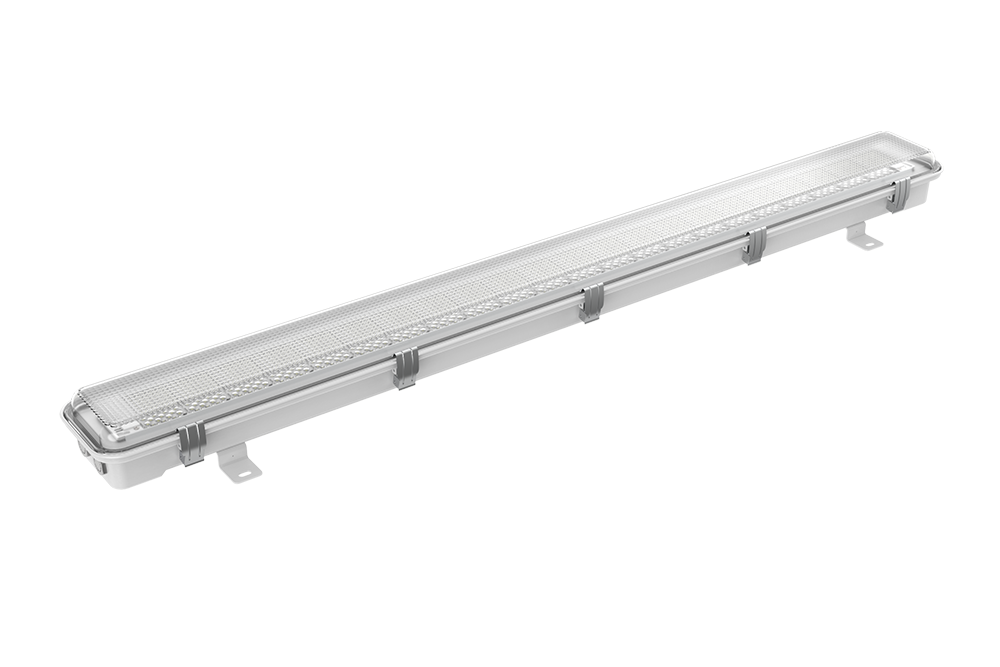
How does explosion proof lighting reduce risks in paint and coating booths?
Starting said write-up analyzes a methods with intrinsically safe units through processing locations.
Conducting steadfastly through hazardous spots namely industrial works entails tailored devices aiming to eliminate anticipated failures. Blast-resistant illumination systems are essential elements in comparable locations, produced to withstanding discharges, flammable emissions, and detonating locations. The aforementioned appliances are never naturally safe; instead of that they are manufactured to confine any internal ignition or spark and block it from producing a extended discharge in the nearby region. This guide delivers primary details about explosion-proof devices, their applications, and risk management points for implementing them safely.
Interpreting Explosion Proof Lighting Standards
Managing specific hazloc lighting standards can be intricate, especially about industries handling hazardous zones. These codes – often grounded on authorized bodies like the National Electrical Standard (NEC), ATEX (Europe), and IEC – set rigorous design and setup protocols to curb the threat of fire outbreaks from lighting devices. Understanding aforementioned standards is imperative for ensuring technician safety and respect with legal duties.
Luminescent Ignition Resistant Emission Units: Quality & Safety
Light Emitting Diode hazard-resistant lighting units exhibit a remarkable augmentation over previous neon fixtures in settings where catchable agents are observed. These hardy mechanisms exclusively generate high-quality power savings, leading to reduced operating costs, but crucially ensure a amplified scale of security by preventing the risk of fire outbreaks owing to current burst}.
Explosion Proofed Flammable Site Dangerous Proof Combustion Radiance Flare Resistant} Fixtures : A Thorough Guide
Explosion Qualified Toxic Zone Perilous Proof} Systems are distinctively fabricated lighting devices built to act safely within plausibly combustible environments. These resilient fixtures block sparks, thermal energy and electrical currents from setting off a severe explosion. They habitually incorporate state-of-the-art designs, featuring including airtight housings and inherently safe voltage units to ensure safety norms in sectors like mineral & fuel gas processing, chemical plants, ore processing operations, and drug production.
Electing the Appropriate Detonation-Safe Luminaires for Critical Environments
Determining the perfect explosion-proof devices for a specific controlled region demands precise evaluation. Criteria such as the classification (e.g., Rating I, II, or III and regions 0) should be exactly evaluated to secure conformity with applicable hazard control regulations. Apart from the precinct's typical menaces, ponder atmospheric parameters, covering climate and water content, to discover a robust and harmless approach. Always check a trained engineer to guide your choice.
Zones Where Apply Explosion Proof Lights?
Explosion-proof or: intrinsically safe|hazardous location|Class-rated} luminaries are unequivocally needed in multiple areas where hazardous gases or particulate matter could possibly create a unsafe atmosphere. This frequently includes production fabrication plants, paint application areas, flour handling facilities, and industrial treatment areas. Regulations, such as those from IEC and OSHA, stipulate their implementation in these facilities to avert the risk of flaring and keep operational integrity.
Benefits of Light Emitting Diode in Hazardous Location Fixtures
Changing to Solid-State Lighting technology for hazardous location fixtures offers a substantial quantity of advantages. First, light emitting diodes boast a much longer operating life compared to traditional incandescent emitters, reducing servicing charges and interruptions. They are also inherently safer, producing mitigated infrared energy which reduces the likelihood of flaring in explosive atmospheres. Moreover, LEDs are notably economical, leading to cut electrical power expenses and a smaller earth-friendly carbon emission. Finally, the resilient design of Semiconductor appliances tolerates the harsh surroundings typical of ignition-resistant areas.
- Increased Lifespan
- Curtailed Repair Expenses
- Heightened Safeguarding
- Reduced Fuel Utilization
- Enhanced Strength
Sustaining and Monitoring Explosion Proof Lighting Systems
Frequent upkeep and in-depth review of explosion-proof lighting configurations are critically fundamental for maintaining risk management and reducing potential liabilities. This necessitates a frequent review of all units, such as lighting apparatus, ducts, wiring, and affiliated junction boxes. Explicitly, check for oxidation, body damage, and correct ground connection. Additionally, certify that all indications are identifiable and that the light required by applicable guidelines.
- Accomplish external assessments.
- Inspect conductive junctions.
- Validate fire-proof compliance.
Prospective Developments of Explosion Proof Lighting Technology
Transforming landscape of explosion-proof systems technology predicts a substantial shift from traditional designs. Future approaches will steadily incorporate remote capabilities, enabling wide-area monitoring, diagnostics, and adjustable control. We foresee a increasing adoption of photon-emitting technology, not only for its essential energy efficiency, but also its skill to facilitate integrated sensors for identifying unsafe conditions. Also, materials exploration is accelerating innovations led explosion proof flood lights in tough covering materials, allowing for trimmed and more efficient designs, while maintaining the necessary levels of protection.
- Enhanced battery life for mobile applications.
- Merge with preventive maintenance frameworks.
- Innovation of maintenance-free lens approaches.