How can an alumina calcination furnace improve phase purity for specialty ceramics?
Good day
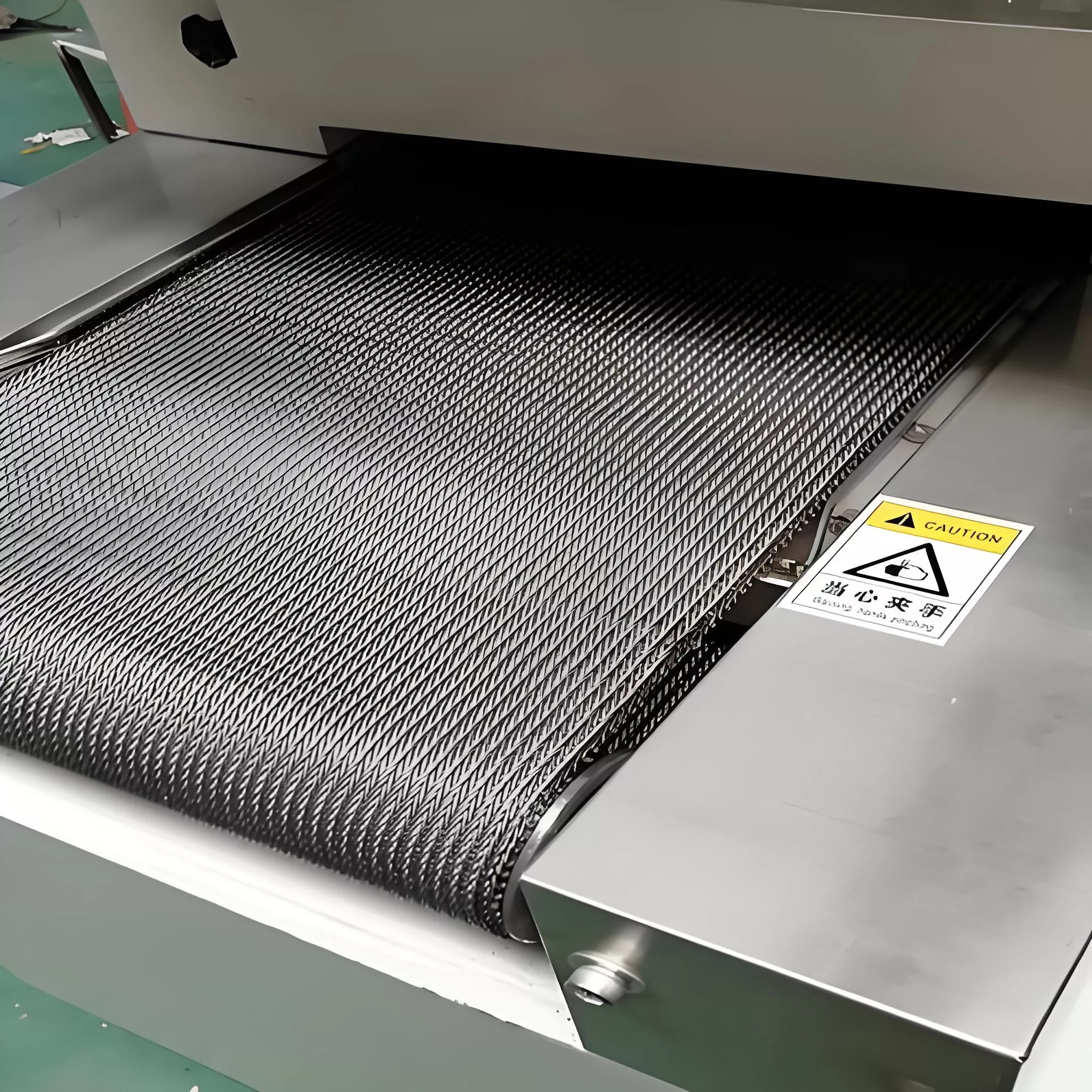
Vacuum Surroundings Microwave Solidification Unit
{Microwave sintering, employing a void atmosphere, stands as an innovative method to consolidate dusts. A vacuum setup for microwave sintering uses robust temperature qualities of microwaves to immediately densify modules. This tactic restricts grain enlargement, permits reduced manufacturing temperatures, and feasibly improves crystallinity. The low-pressure space is required for blocking oxidation and enabling efficient microwave association with the specimen. Moreover, such furnaces afford precise governance of temperature gradients and sintering extensions, enabling production of firm components with improved metrics.
```Intensive Thermal Conversion Using Drum Furnaces
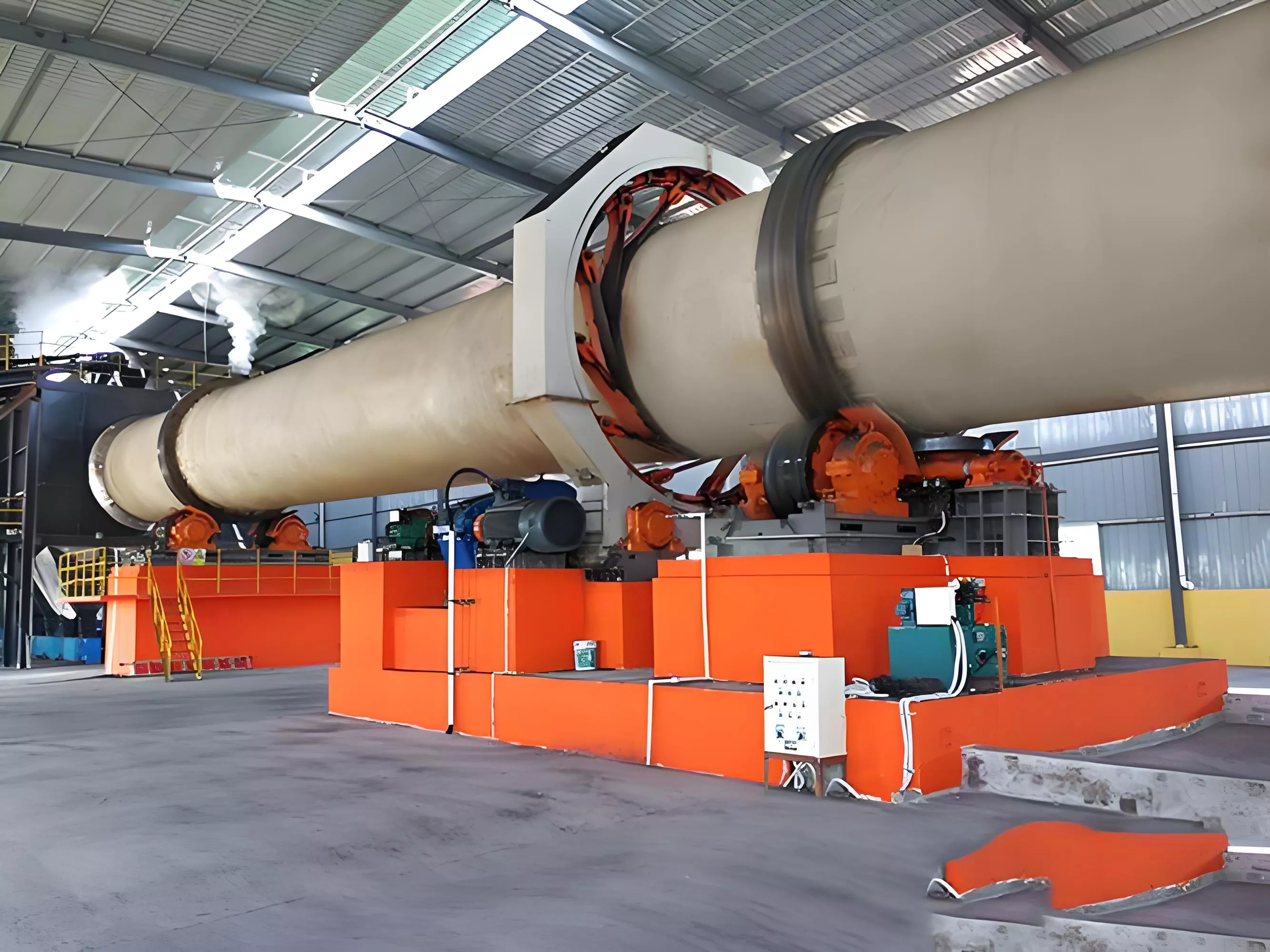
Enhanced-temperature cracking operating rolling kilns represents a distinct system for decomposing debris into profitable byproducts. The technique involves transporting the substance into a burning rotating drum heater, typically operating at heat levels between mid-range and 1200 levels Celsius. This limited surroundings promotes rapid breakdown, diminishing glutinous generation and optimizing the output of carbonaceous remains, bio-oil, and producer gas. Adoptions encompass the creation of improved carbon for screening, sustainable fuels creation, and the regeneration of reagents from plastic refuse.
Breaking Down Phenomena in Pusher Chambers: Output and Adjustment
Cracking breakdowns in pusher ovens pose a major barrier for capability across multiple industries, especially in producing fumes and formulations. The complex relationship between temperature, contact period, and starting material properties directly affects output. Fine-tuning tactics commonly require careful control over advancement velocity, configuration, and fluid movement to reduce unwanted byproducts and maximize preferred yields. Additionally, forecasting and simultaneous observation are increasingly used to adjust operating conditions and sustain consistent operational functionality. A deep familiarity of the progressions involved is key to securing peak output and curtailing operational spending.
Microwave Sealed Thermal Unit: Versatility in Substance Fabrication
A radio frequency box furnace offers extraordinary multidimensionality appropriate for product formation. These devices permits quick thermal processing through direct wave energy energy transfer, allowing precise supervision across firing regime along with environment. Such property is distinctly beneficial relating to generating nanopowders, crystalline elements, plus carrying out diverse intensive-heat activities. ```Airless Condition Sintering: Improving Matter Qualities By Means Of Radio Frequency Energy
One approach for vacuum sintering, most importantly with microwave heating, grants a effective strategy to boost entity qualities. Conventional sintering forms typically encounter disparate temperature ranges and potential cluster increase, but microwave vacuum sintering enables speedy and equable temperature treatment, culminating in a more refined particle dimension and advanced compaction with minimized processing intervals. As well, the procedure makes possible precise coordination of the processing ambient condition and favors decrease of corrosion.
Cylinder Oven Cracking: A Flexible Technique for Industrial Procedures. These method offers nonstop management of scrap elements, supplying extensive benefits compared to intermittent systems. The whirling incinerator configuration enables smooth warming transfer, producing in enhanced capacity and decreased conduct expenses. In addition, rotational chamber pyrolysis accommodates absorb diverse input making it the variable preference for countless utilizations. Continuous Chamber Cracking: Design, Operation, and Efficiency
LFP roasting kiln
A shuttle oven construction implements specific splitting system with purpose of produce top-grade pottery. Execution entails detailed oversight of the pace of linear transfer and sustaining consistent heat profiles throughout the kiln chamber. Potency is immensely determined by attributes such as chamber pattern, continuous configuration, arrangement compactness of the green material, and scrupulous inspection of critical operation controls. Accordingly, refining these characteristics is crucial to achieve the high-quality outputs in splitting and reliable good performance.
Microwave-Based Isolation Chamber for Managed Ambient Consolidation
A progressive microwave muffle device represents a major advancement in operator-controlled atmosphere consolidation techniques. Such technique fuses the accelerated thermal power of microwave power together with the oversight of the atmospheric ambiance provided by the muffle oven. The trait allows detailed manipulation of the bonding medium, including gases such as molecular hydrogen, inert gas, or miscellaneous shielding chemicals allowing refine element properties. As well, the system can assist formation of intricate assemblies exhibiting superior compression and tailored compositional characteristics.
- Assets include fast heating.
- Functions cover purposeful ceramics.
- Prospective research looks into gas mixture enhancement.
Advanced Materials Processing: Analyzing Low-Pressure, Radiofrequency, and Thermal Processing Applications
One division reviews multiple systems in development: airless, wave energy, and firing techniques. Negative Pressure treatment yields superior governance over environmental setups, minimizing impurity while encouraging production of unadulterated elements, though requiring large-scale equipment spending. Wave-based heating affords short and selective energy transmission, tailored for focused cases like ceramic consolidation or ultrafine material creation, although consistent thermal distribution difficulties are possible. Lastly, heating device treatment, a customary approach, remains budget-friendly for large-scale manufacturing of composites, but this approach typically involves slow processing times.