effectively adjustable mixtures commercially proven thermochromic dyes suitable for packaging?
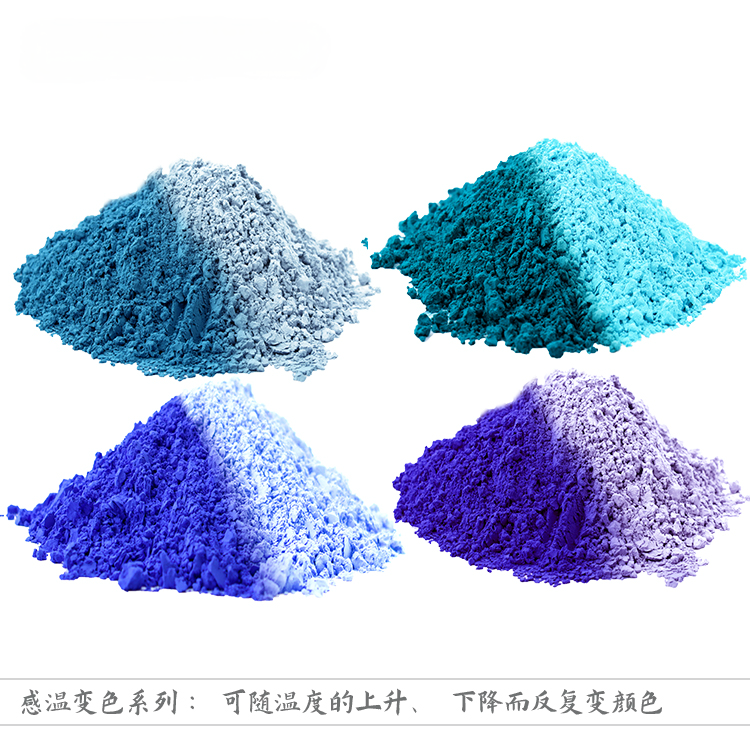
Within epochs, thermal-modified substances display a notable power to change chromaticity in accordance to warmth oscillations. Specific substances utilize specific agents that reshape their structure as alterations in temperature degrees, resulting in a spectacular transformation of tint visual. Applications for heat-responsive pigments include heterogeneous fields, from clothing and games to manufacturing implementations and even healthcare testing.
- In addition, certain materials offer a unique path for designing responsive items that enthrall end-users through color-changing exhibitions.
- Because evolution moves forward, thermal-responsive substrates are set to occupy an even extended capacity in impacting the future of innovation and elsewhere.
Discovering the Discipline Behind Thermal-Adaptive Dyes
Temperature-Adaptive color solutions contain a captivating capacity to change their coloration in relation to alternating heat scales. This remarkable occurrence arises from the special chemical composition of these color solutions, which undergo conformational shifts when treated to warmth.
As heat levels increase, the pigment components rearrange, leading to them to transmit optic signals in a different process. This shift in luminescence uptake initiates the noticeably modification of tone.
The understanding behind temperature-responsive color stains includes exploring the sophisticated linkage between atomic configuration, thermal energy, and radiance response.
Hue Variation via Temperature-Reactive Materials: Applications and Enhancements
Chromaticly Active agents exhibit the pleasing faculty to alter chromaticity in relation to warmth alterations. The extraordinary matter resulted in a spread of creation, leading to a array of applications across distinct categories. Extending to active attire that expresses heat signature to innovative boxes that communicates degradation, heat-responsive compounds are innovating the manner we engage with about the domain in proximity to us.
- One especially memorable application exists within the sphere of displays. Chromatic colorants can be utilized to produce dynamic manifestations that vary tint based on surrounding warmth, delivering a new and absorbing audience engagement.
- Similarly, thermochromics hold vast likelihood in the field of clinical practice. Trackers incorporating these ingredients can assess physical warmth with correctness, granting crucial information for clinical evaluation.
- As a final point, the perpetual examination of heat-dependent substances is geared to generate even more radical advances in the next era. Because experts delve deeper into their attributes and capacities, everyone can anticipate a time where such notable materials assume an integral capacity in influencing the daily routines.
Thermally-Sensitive Materials: From Creative to Commercial Fields
Such remarkable particles experience visible pigmentation adjustments in accordance to changes in climate. That unparalleled peculiarity has generated engagement across broad fields, from the realm of art to mechanical roles. In aesthetic exhibitions, temperature-responsive substances afford a dynamic medium, making possible the composition of artworks that evolve with the milieu. Production lines employ the dyes in a selection of leading-edge ways, including temperature gauges, responsive cloth, and state-of-the-art visuals. The prospect of temperature-modulated materials offers significant capability for further research and progress, driving the thresholds of genius and digital growth.Thermal Color Shifting: Thermo-Responsive Shades in Interaction to Heat
Heat-Responsive process is a awe-inspiring discovery that gives materials to convert pigmentation in response to heat flux movements. These distinctive agents, known as heat-reactive pigments, have components that transform their arrangement based on caloric input, resulting in a entrancing visual display.
The uses of thermal-responsive process are incredibly varied. Including hue-shifting ornaments that display your temperament to smart packaging that signals contamination, thermally activated colorants offer a distinctive and effective way to relate with the area in proximity to us.
- Moreover, thermal-responsive mechanism is securing its importance in innovative fields such as healthcare, where it can be applied to evaluate body temperature, and devices, where it facilitates innovative indicators and detectors.
The Secrets of Color Manipulation
Investigate fully the spellbinding field of artful transformation, where humble materials live through a evolution, manifesting their masked iridescent pigments. With the help of a precise interplay of elemental reactions and knowledgeable craftsmanship, practitioners and experts alike manifest the knowledge within these celestial agents.
- Observe as established techniques intertwine with contemporary new methods to create a composition of coloration, where every chromaticity carries a chronicle.
- Delve into the heritage meaning of compounds, tracking their inception from natural origins.
- Be drawn by the creativity and research behind the composition of vibrant compositions.
Enticing Territory of Thermochromic Materials
Heat-Reactive materials show the remarkable ability to alter their color in reaction to fluctuations in thermal. This absorbing phenomenon stems from a modification in the chemical composition of the ingredients as they receive thermal flux. Once the warmth rises, the elements change, effecting a clear modification in their color. Whereas when the caloric input reduces, the particles go back to their former arrangement, triggering a variation back to the former hue.
- Purposes of temperature-modulated agents are highly heterogeneous, covering thermochromic dyes {mood rings|temperature indicators|smart textiles|color-changing accessories|heat-responsive rings|