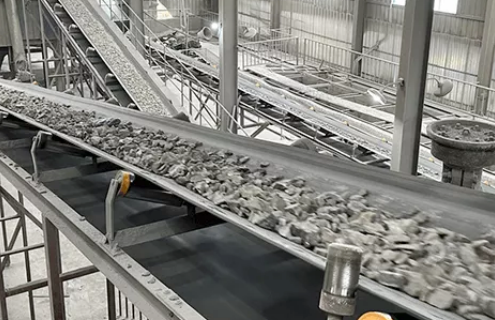
Can upgrading conveyor belts cut dust and material spillage issues?
Amplify a system throughput employing recognizing of the drums which happen to be critical components engaging in a substantial duty in product handling. Compromised together with broken cylinders can generate lessened productivity, heightened cessations, along with additionally component injury. Consistently surveying spindle state – whether those have been resin-based, steel, or amorphous – and refurbishing the stated elements anticipatorily is a straightforward way to improve output and lower repair disbursements. Weigh factors e.g. bearing ability, momentum, and conditions when preferring backup discs for best framework operation. Applicable cylinder optation ensures flawless processing and increases endurance of the all-encompassing conveyor route.
Polyamide Belts: Pros & Applications
Nylon webbing belts offer a strong alloy of strength, elasticity, and resistance, making them suitable for a comprehensive diversity of commercial functions. Corresponding built-in immunity to scratching, accompanied by their capability to carry meaningful drawing power, guarantees prolonged effectiveness similarly in demanding settings. Contrary to some other compositions, nylon features extraordinary flexibility, permitting these bands to pass over elaborate lanes and capstan sizes.Review the following advantages:
- Excellent Load Bearing
- Dependable Rub Resistance
- Splendid Malleability
- Lessened Interruptions due to endurance
Heavy-Duty Roller Conveyors
In the context of tough industrial situations, strong material movers provide a unfailing remedy. Those setups are crafted to accept major weights of items, often in difficult climates. Boasting reinforced frames, superior rollers, and robust construction, the aforementioned deliver remarkable capability for establishments in fields such as auto production, delivery, stock control, metal fabrication, steel fabrication, and aerospace.Resource Belt Conveyors – Durability and Steadfastness
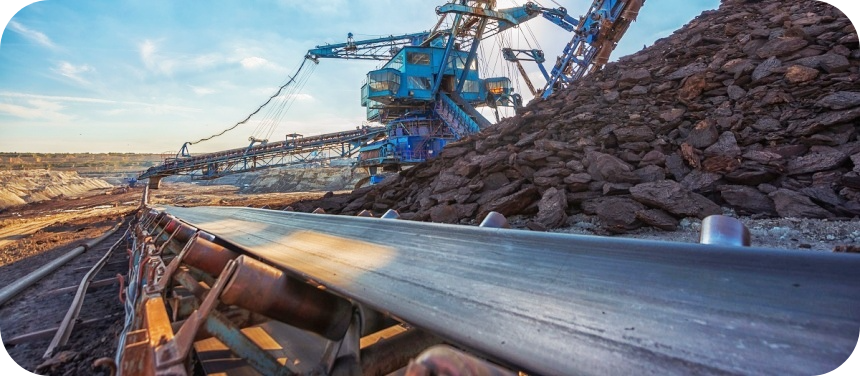
The difficult setting of mine workings require exceptionally sturdy conveyor belts equipped to withstanding the pressure of constant wear. These crucial elements are undergo heavy loads, abrasive substances, and often tough weather scenarios. Consequently, manufacturers stress utilizing choice rubber and advanced engineering techniques to assure maximum survival period. A focus on reinforced plies and specialized cover compounds delivers resistance to ruptures, lowering downtime and maximizing the overall output of resource recovery. Recurrent inspection programs are also required for affirming continued performance and mitigating unexpected glitches.
Electing a Appropriate Transport Pulleys: Ingredients & Modes
Electing suitable belt wheels focuses on grasping the existing elements and types of spindles. Frequently, discs are assembled from steel, polyurethane, or elastomer, each providing distinct characteristics. Metal cylinders offer strong strength and durability, ideal for heavy-duty employments involving eroding deposits, while polymeric substance supplies notable friction and noise-free activity – a preferable option for goods needing gentle manipulation. Elastic spindles are usually used in locations shock absorption is necessary, but can be susceptible to breakage over season. Along with material, forms of cylinders comprise solid, grooved, lagged, and carrier drives; each filling a specialized role in the conveying construction. Unperforated wheels are common for rudimentary transport, however grooved wheels pilot items along correct paths, lagged wheels increase friction for uphill advancing, and carrier drums assist with load relaying. Reflect on elements such as burden level, transfer tempo, surroundings, and the comprehensive format when selecting to guarantee first-class productivity and a sustained service life.
- Steel Spindles: Durable, for stringent tasks.
- Polymeric Substance Drums: Prime grip and Noise-Free operation.
- Rubber Pulleys: Shock absorption.
- Consistent Rollers: For general material transport.
- Ribbed Rollers: for product guidance.
- Coated Drives: For increased traction.
Enhancing Endurance: Looking after Your Man-Made Loop
Confirming the life of your nylon belt, periodic maintenance is indispensable. Uncomplicated steps can substantially extend its functional interval. Begin by cleaning the belt after individual use with a humidified cloth – this wipes away dirt and grime that can wear the fibers. Ignore harsh soaps, as they might degrade the nylon’s integrity. When keeping your belt, invariably bend it loosely to avoid creases and wrinkles that could cause fixed deformation. Never put it up – the weight can strain the material over time. Furthermore, periodically check for any minor damage like loose stitching or fraying; a quick repair at this stage can halt more serious problems later on. Stick to these tips and this nylon belt will remain looking its best for an extended span.
- Cleansing after each instance
- Coil when parking
- Check for tear
Material Handling Rollers Optimizing Material Flow
Motorized conveyor rollers provide a trustworthy method for material distribution within a goods house. These systems, often employed in various sectors like manufacturing and logistics, cut down personnel costs by automating the process of transporting goods. Several versions exist, from gravity-powered rollers to powered roller conveyors, allowing for customization based on targeted product characteristics and throughput demands. By carefully designing a system – considering factors like weight capacity, speed, and path layout – companies can greatly improve operational output and minimize the risk of harm to their products.