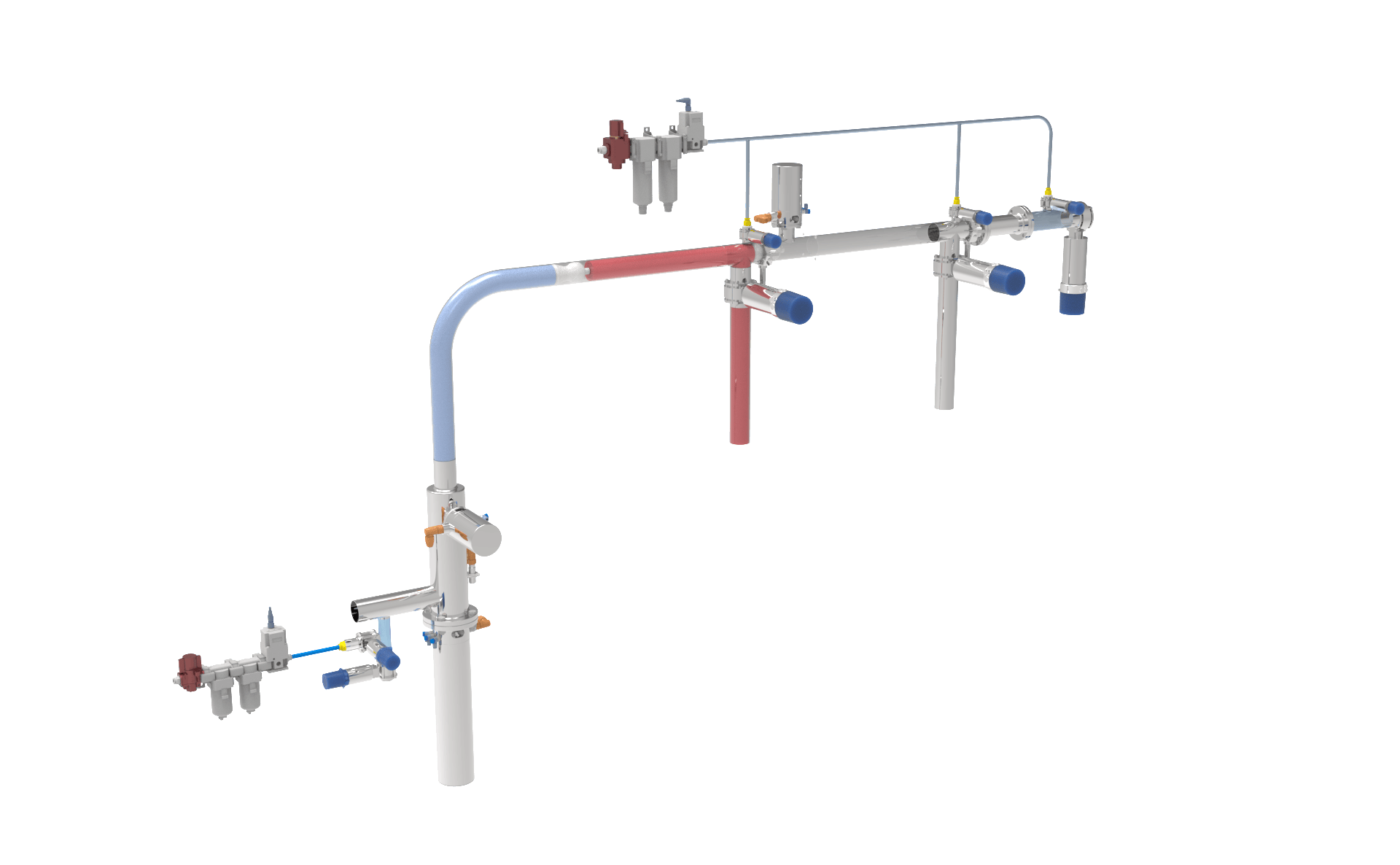
business focused pigging systems for household chemical processes?

Embarking any thorough exploration relating to line scraping solutions demonstrates these key function in affirming flowline strength throughout many commercial deployments.
Duct maintenance makes use of custom instruments referred to as cylinders that travel through channels, displaced by gases, to displace deposits such as corrosion. This mechanism preserves passage efficiency and suppresses breaks.
Upgrading Pipeline Effectiveness with Pigging Systems
Retaining unaffected flowline efficiency is paramount for reducing breaks and optimizing overall profitability. The pigging technique yields a powerful approach to eliminate obstructions such as wax and particles, which obstruct circulation. By integrating leading-edge pigging systems, managers can considerably raise tube security and reduce repair expenditures. What's more, this forethoughtful maintenance tactic aids natural responsibility by curbing material leakage.
Breakthroughs in Pigging Methods and Their Respective Functions
Tube cleaning tools have benefited from remarkable enhancements recently, growing their domains across hundreds of realms. Initially conceived for channel cleaning, pigging currently yields an array of remedies for well-being evaluation, pressure recognition, and even hidden evaluation of facilities. Emerging methods embrace intelligent pigging that combines advanced sensors and inputs assessment to offer a more exhaustive appraisal of flowline integrity. Certain uses are apparent in oil and methane transfer, civil system schemes, and even chemical dispensing.
- Optimized effectiveness in activities.
- Lowered inspection payments.
- Strengthened security and environmental standards.
Deciding on the Correct Pigging Technique for Your Tubing
Selecting the effective pigging technology for your conduit is a fundamental determination influencing performance and repair. Consider multiple considerations prior to settling on your ultimate selection criterion. Initiate by scrupulously inspecting your conduit's specialized needs.
- Flowline composition modifies tool consistency.
- Standard power and speed dictate scraper structure.
- Identification of deposits, fluid, or other debris decides the type of tool needed.
- Monetary controls should too be factored in. In conclusion, collaborating with skilled flowline servicing advisors ensures users identify the most suitable alternative for your tailored demands.
Handling Common Pigging Setbacks
Managing recurring tube cleansing difficulties habitually obliges a structured strategy. Originally, confirm that the projectile is suitably measured for the pipeline. Besides, scrutinize the inlet and collection site for any obstructions. A frequent difficulty is pipe sanitation damage caused by high strain; accordingly validate that utilized parameters remain within recommended thresholds. To finish, inspect erosion on the pig’s parts, notably the rings, as this may point to the necessity for swap.
Tube Cleansing Methods
Elevating crude oil extraction and enhancing routines in the mineral area requires innovative line pigging systems scraping methods. These tailor-made mechanisms consistently dislodge obstructions like hydration buildup from flowlines, reinforcing throughput and minimizing downtime. Thus, pigging solutions represent a crucial contribution for feasible hydrocarbon functionality.
Cutting Pipeline Maintenance Costs with Pigging
Proficiently lessening pipeline repair costs is a important objective for several oil and gas enterprises. A well-known method for accomplishing this is the integration of pigging systems. These self-propelled cleaning devices, or “pigs,” operate through the duct, clearing buildup, corrosion, and other clutters that can hamper flow throughput and cause costly repairs. Systematic pigging plans can preventively tackle these concerns, enhancing the operational period of the pipe and lowering the call for significant and exacting measures.
- Boosts flow conveyance.
- Mitigates rust.
- Prolongs pipe lifespan.
Projection of Pigging Systems: Directions with Progress
This pigging industry is fit for substantial modifications, prompted by mounting requirements for functionality and protection in natural resources and energy resources transmission lines. Technicians predict a range of important patterns. Firstly, clear a move towards digital pigging techniques, implementing cutting-edge measurement devices and information intending to real-time assessment and preemptive maintenance. In addition, fresh substances for devices, including restorative plastics and hybrid layouts, promise enhanced strength and effectiveness. Finally, heightened awareness on renewable solutions, including green mechanisms and restricted scrap, signals pledge to earth-friendly custodianship within all pipeline cleaning market.
Pipeline Solutions: Safety Measures and Eco-conscious Concerns
Using pigging processes involves significant protection and sustainability topics for pipeline managers. Careful development and management are indispensable to reducing potential menaces, including collapses and outflow of byproducts. Frequent inspection of pig condition and pipeline soundness is essential to ensure secure functioning. Moreover, the handling of recovered fluids demands responsible practices to suppress conservation repercussions. Chief requirements often consist of thorough liability review and comprehensive development for staff.
- Minimized Pipeline Breakdown
- Optimized Component Reclamation
- Diminished Natural Effect