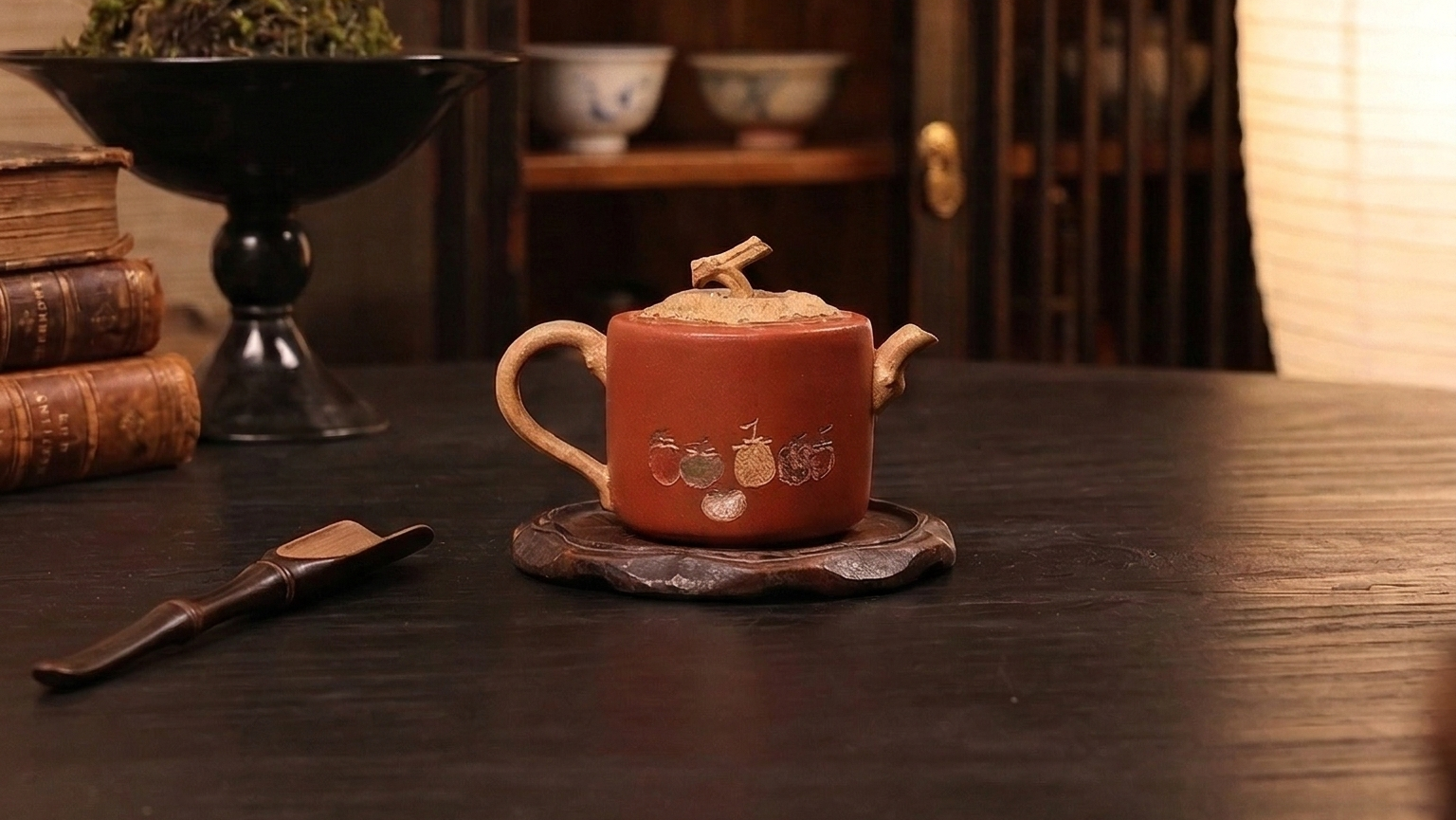
boutique level Yixing aroma locking teapot?
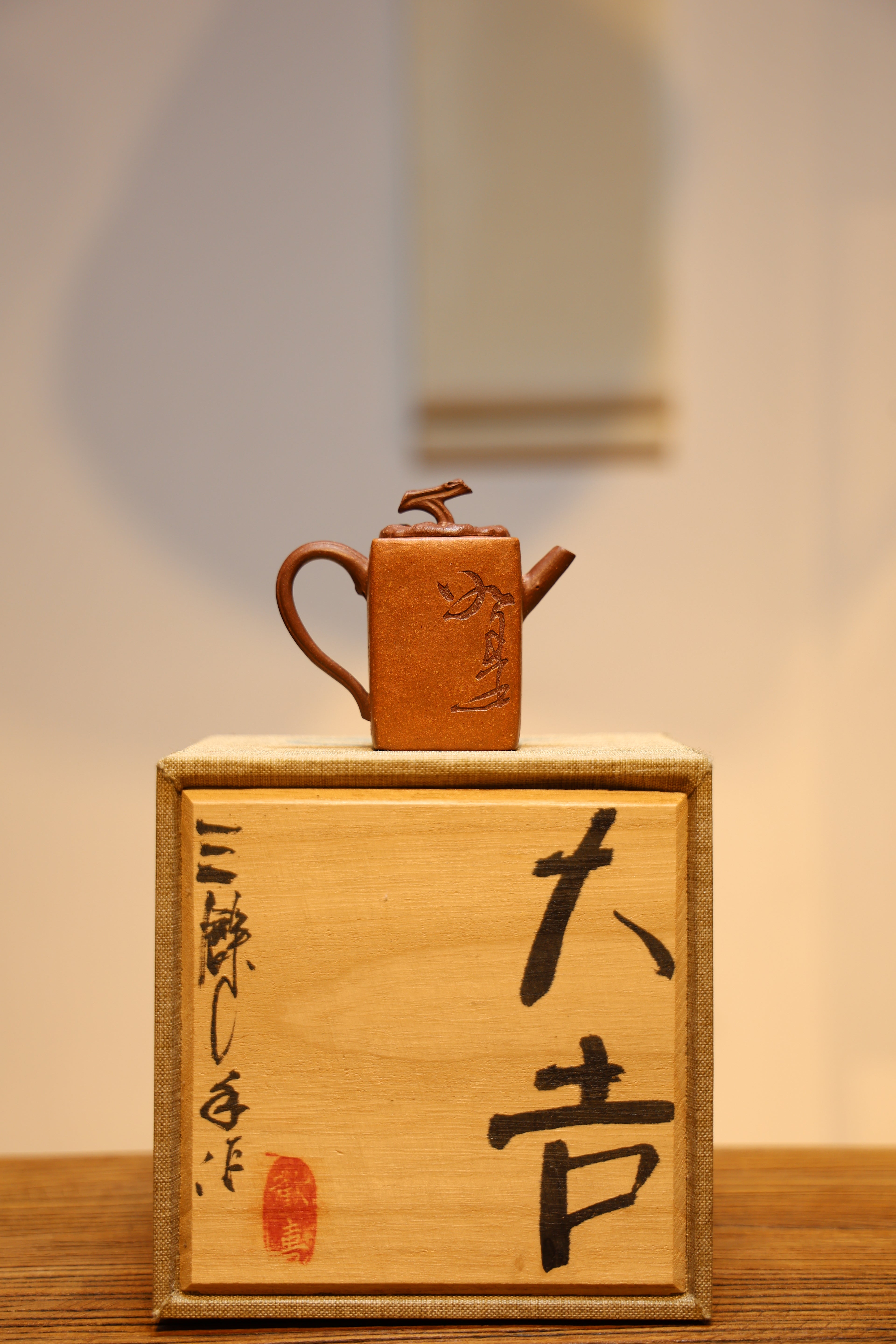
Commencing my detailed review concerning Yi-hsing Zi-sha clay pots provides this engaging synthesis including dexterity in conjunction with functionality.
Yixing 紫砂 clay pots enjoy one exceptional attraction to aficionados universally. Particular exceptional earthen vessels, emanating from the special Ising province within Jiangsu district, China, feature more than just brewing tools; they are considered works design beauty and legacy significance. Unique finely selected clay, known under the name Zisha, imparts a delicate flavor upon the tea, and the intricate designs, often revealing traditional Chinese themes, add to their essential value. Collecting a genuine Yixing Zisha teapot can be a worthwhile journey, calling for careful examination and an understanding of the manifold factors influencing its limited availability.
Understanding Yixing Tea Vessels
Yi-hsing vessels boast a rich record deeply interwoven with Chinese customs. Originating in Yixing, Jiangsu region, these pitchers are crafted from a unique, porous purple terracotta found only in that particular location. Their growth began during the Ming epoch, with master artisans refining the systems over decades. Different types appear, including the classic Hexiang (resembling crab shells), Zhuni (red-brown hue), and Duan Ni (stone-studded) – each with distinctive appearances. The cost of an Yixing ceramic vessel isn't solely based on its size or design, but also on the artist’s reputation, the element's quality, and the pottery’s age and condition. Enthusiasts often seek out older examples, believing they retain the nuance of Yixing Zisha Teapot the elixir brewed within them over time, further adding to their desirability.- Antique Ceramic Pots
- Red-Brown Ceramic Pots
- Rock-Adorned Brewing Vessels
Zisha Teapot Mastery: Skill & Processes
Such assembly of Zisha teapots represents a peak of Chinese ceramic craftsmanship. Experienced artisans employ age-old techniques, often passed down through ancestry, to unlock the full potential of this unique clay. Practices involve meticulous fashioning by hand, often combined with the stacking method, followed by precise baking at incredibly marked temperatures in wood-fired kilns. Adorning is equally crucial; artisans utilize natural clay colors and may incorporate engraving work to depict intricate scenes or patterns, demonstrating a profound awareness of the material’s qualities and spirit. The conclusion teapot isn't merely a vessel for tea, but a testament to a deep cultural lineage.
Traditional Vessels: The Summary to Yixing Zi Sha
Unveiling the world of Classical teapots often leads with Yixing Zisha. These singular clay pottery vessels are crafted from a unique type of clay extracted only in the Yixing region of the Jiangsu zone province. Known for its characteristic reddish-purple hue and superior aspects, Zisha clay delivers a mild flavor to the brew and improves with age, maturing into a cherished prized possession. Collecting Yixing Zisha vessels is more than just having a stunning object; it’s a recognition of history and talent.
Surveying Yixing Purple Clay: Genuine Nature & Growth
Beginning the field of Yixing Zisha clayware can be utterly gratifying, but needs a acute awareness. Sincerity is indispensable; multiple counterfeits are available, routinely expertly fabricated. Training about time-honored heating systems, defining earth qualities, and the markings of reputable potters is completely vital. Furthermore, realizing the particulars of the evolution swing – influenced by conditions such as archaic value and the form of the artifact – is important to successful gathering.
- Studying baking background.
- Approaching advisors for endorsement.
- Analyzing market changes.
One Craft of Formulating with a Earthen Vessel
Distinctive rare allure of a Zisha equipment lies not just in its beautiful appearance, but also in its well-known impact on the savor of the tea. These old clay vessels, sourced from singular regions of China, possess a organic porosity that gradually interacts with the moisture and leaves, imbuing the beverage with a delicate character. Mastering the skill requires a attentive approach, understanding how the mineral responds to distinct temperatures and botanical types, ultimately leading to a genuinely rewarding consuming ritual.
Nurturing One's Relic
Proper attention of your Yixing ceramic vessel is necessary to preserving its usefulness. These unique teapots, crafted from exclusive Yixing clay, accrue a appearance over years that raises their value. Often rinse the interior with pure water, avoiding soap, and never use coarse scrubbing tools. Supplementary gentle polishing with a smooth cloth can help in taking off patches. Allow your vessel to totally dry before each serving
Unveiling Yixing: Reasons Particular Kettles Stand for Exclusive
The famous appeal of Yixing teapots derives from the exclusive properties of Zisha clay, mined solely near Yixing, Jiangsu. This remarkable clay, composed of ferruginous soil , boasts a peculiar combination of elements that, through experience, retain the flavor of the infusions it retains. This causes a distinctive flavor profile for each vessel, rendering it a value far transcending its baseline price and contributing to their sought-after status among gatherers.
Unearthing the Fitting Chinese Ceramic Vessel: A Purple Clay Handbook
Venturing into the world of Purple clay teapots can feel overwhelming, but understanding the fundamentals is vital to finding a beloved piece. Those clay, sourced principally from the environs of Yixing, Jiangsu, is renowned for its unique porosity and ability to improve the flavor of the tea over time. Consider the shape, the saturation, and the presentation; a valid Zisha teapot is more than just a canister; it's a finely crafted object and a example of classic culture. Search for the etching of the craftswoman for clues to its background and potential significance.