advanced threat engagement support is a refreshed nm band precision rangefinder the missing link in your digital fire control chain?
Cutting-edge growth in precise and steady far-reaching recognition systems have stimulated notable progress in 1535 nanometer optical measuring instrument solutions. Such innovative strategies employ the preferable atmospheric conduction qualifications of the 1535nm frequency, producing top-level effectiveness in difficult atmospheric settings, predominantly amid smog. Deployments span a diverse array, including wildlife management, automated transport, and automated systems. Further analysis targets minification and incorporation of these structures into easy-to-carry gadgets, enhancing approachability for a larger audience. In summary, 1535nm photon distance meter applications aim to revolutionize distance gauging functions.
Harnessing Fifteen-thousand-meter High-Definition Distance Finder for Long-Range Definiteness
Suitable for enthusiastic marksmen, creature observers, and specialists requiring unswerving extended targeting expertise, a 15km optical rangefinder represents a significant progression. These complex devices allow incredibly accurate distance computations beyond what's typically possible, opening up new options for exacting observation. Outstripping the limitations of shorter-range instruments, a 15km rangefinder supplies the faith needed when each meter truly is essential. It’s a paradigm-shifting piece of equipment for those demanding the peak level of capability and trustworthy data.
DPSS Beam Range Detector Module: Miniature and Mighty
Disclosing the revolutionary DPSS laser rangefinder component, a truly outstanding blend of microscopic size and significant power. This innovative solution harnesses diode-pumped solid-state coherent light technology to deliver reliable distance gauges across a vast range of situations. Its robust design and simple integration make it suitable for automatic systems, plotting tasks, and even client products, offering unprecedented performance within a surprisingly restricted footprint. The built-in efficiency of the DPSS method also contributes to enduring battery life and lower power draw.
Beam Pointer Element for Mark Label
Recent operational engagements habitually depend on rapid and accurate target identification for effective engagement. The laser designator module has emerged as a critical tool to facilitate this process, enabling ground forces to clearly show intended destinations to auxiliary airborne craft. This technique typically harnesses a low-power coherent light path to send a visible or infrared mark that can be readily acquired by remote apparatuses. Likewise, these devices often contain advanced functions such as built-in GPS powers and shielded interaction paths ensuring synchronized movements and enterprise victory.
1535 nm spectrum Optical Rangefinder Module – Prolonged Reach
Our pioneering 1535nm laser rangefinder component offers an extraordinarily stretched reach, appropriate for high-demand uses such as forestry and machine-operated machines. This robust solution harnesses the 1535nm spectrum to offer upgraded performance in unfavorable environmental situations, including cloudiness. The correct measurements, combined with its broad operating range, make it a adjustable choice for professionals requiring remote distance detection. In addition, the module's condensed form factor offers easy inclusion into a range of systems.
Wide Direct-Pumped Solid-State Laser Distance Assessor Architecture
Assembling a durable long-range Digital-Pumped Solid-State laser rangefinder framework presents serious hurdles, primarily associated with climatic decrease and scatter. Initial reviews must emphasize selecting an appropriate interval, typically in the 1064 nm area to minimize intake by water vapor, a major contributor to range error. The beam pulse duration is also paramount; shorter pulses, within the nanosecond domain, enable higher precision in distance measurement, but require greater delivery power to overcome atmospheric loss. Message processing algorithms, including sophisticated obstruction filtering techniques and multiple response handling, are mandatory for accurately determining the range, especially when dealing with complex terrain or vegetation. Furthermore, correct timing circuitry, proficient of picosecond resolution, is totally paramount for achieving the desired sharpness in long-distance analysis.
15,000 Meter Focused Measurement Tool – Industrial Implementations
Enhancements in laser technology have stimulated the generation of powerful ranging instrument systems capable of accurately estimating distances up to 15,000 meters. These complex instruments are finding increasing utility across diverse security and market sectors. In military contexts, a 15,000m precision laser rangefinder can be vital for weaponry targeting, reconnaissance, and overall operational awareness, enabling forces to accurately gauge enemy positions and plan missions. Practically, applications include topographic projects in challenging terrain, construction inspection of large structures, and precise calculation for harvesting operations, ensuring stability and capability. The robustness and trustworthiness of these systems are paramount for reliable performance in difficult environments.
Dense-Pulse Solid-State Laser Range Assessor Module Implementation Guide
Expertly blending a DPSS laser rangefinder module into your project requires careful analysis of several factors. This guide clarifies key methods for achieving reliable and accurate determinations. Firstly, ensure optimal power input – DPSS lasers often demand a unvarying voltage, typically between approximately five volts, and exceeding these maximums can lead to fault. Besides, provide close attention to laser alignment; even a minor deviation can significantly disturb the scope and degree of exactness of your assessments. Finally, habitually refer to the supplier's datasheet for precise electrical conditions and suggested operating positions. Ignoring these points can result in faulty performance or even module breakdown.
Pinpoint Targeting with One thousand five hundred thirty-five nanometer Laser Pointer Modules
Recent military operations call for increasingly precise location capabilities, and the adoption of 1535 nm wavelength laser designator modules represents a essential advancement in this area. These compact, robust units provide a low-visibility tagging solution for ground and air assets, enabling correct laser guidance of munitions. Utilizing a frequency that reduces atmospheric scattering and observation by rivals, the modules are ideally suited for complex conditions, from dense urban areas to obscured ground. Their fusion with state-of-the-art fire control frameworks allows for instantaneous target capture and engagements, ultimately strengthening operational performance and decreasing collateral destruction. Further considerations include thermal governance for peak workmanship under different temperature-related states.
Surveying Top-Tier 15km Refined Range Detectors
For committed applications requiring precise prolonged measurements, a 15km laser rangefinder signifies a notable investment. Several superior options for now exist, several with its own strengths and weaknesses. You might assess units from manufacturers like Leica, Pulsar, and Vectronix, all of which make available robust performance in challenging scenarios. Factors to appraise include inclination compensation, picture quality, water resistance, and charge life. Likewise, integration capabilities with other platforms – namely ballistic calculators or data logging software – can greatly increase functionality. Ultimately, selecting the right 15km rangefinder relies on the definite needs and budget of the individual.
Dense-Pulse Solid-State Laser Rangefinder Module: Performance and Consistency
DPSS photon rangefinder devices have rapidly gained prominence in various fields due to their exceptional fusion of productivity and inherent reliability. The basic principle harnessing diode-pumped solid-state methodology allows for a highly sound output, minimizing deviation and confirming accuracy even in rigorous environmental states. A notable property is their robust shield to heat fluctuations, a essential factor for outdoor as well as harsh operational scenarios. Furthermore, upgrades in manufacturing approaches have drastically lessened failure rates and strengthened overall continuance, making them a preferred solution for faithful distance assessment across industries. In conclusion, DPSS rangefinders represent a considerable leap in definitiveness and operational dependability.
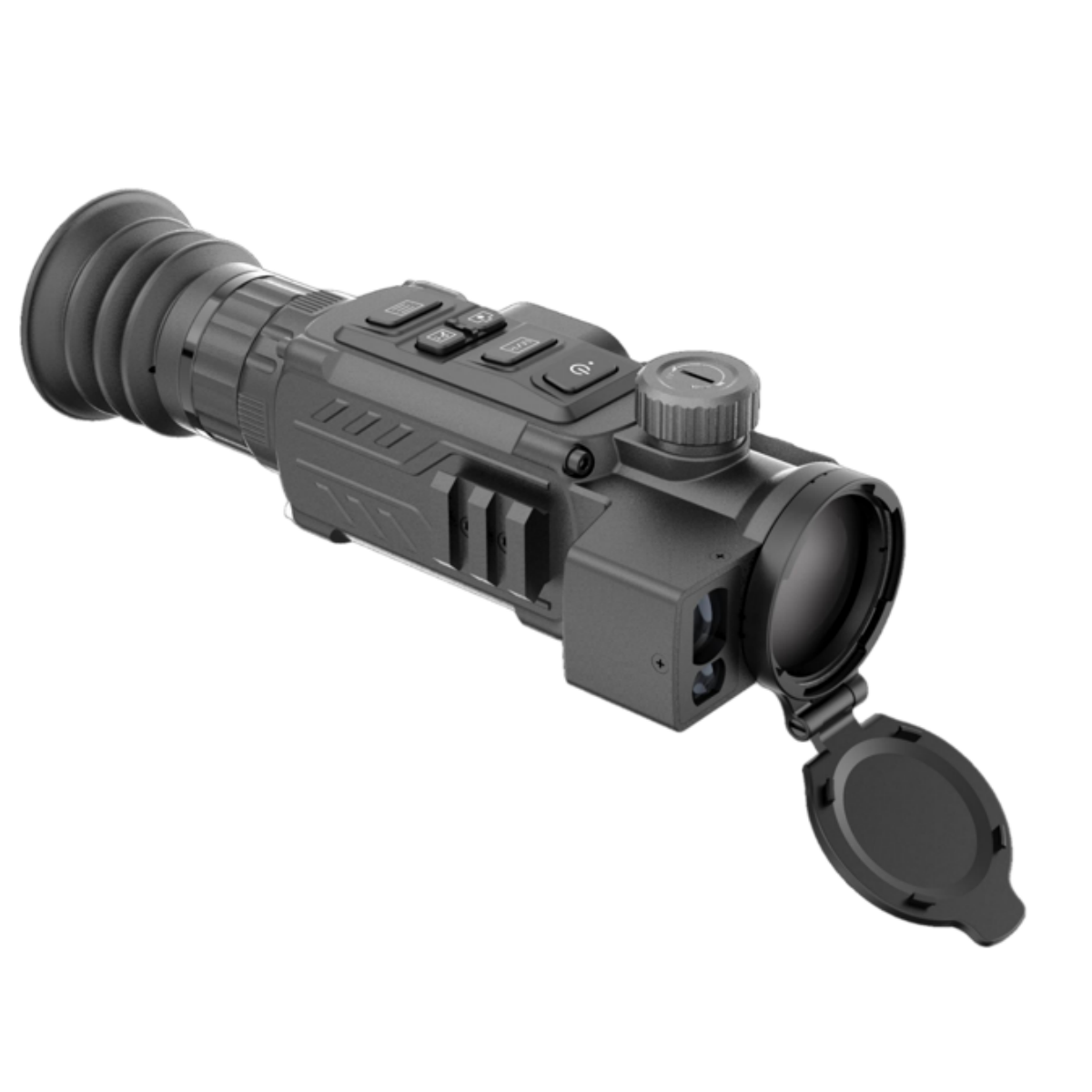 1535nm rangefinder